Navigating drug possession charges in Dallas can feel like navigating a complex labyrinth—the legal terms and potential consequences are often confusing and daunting. For those facing these charges, understanding their rights and options is crucial to ensuring the best possible outcome. This article serves as your comprehensive guide, providing insights into the intricacies of Dallas drug possession laws, potential penalties, and the vital role a skilled Dallas drug possession attorney plays in defending against these accusations. By the end, you’ll be better equipped to make informed decisions about your future.
- Dallas Drug Possession Laws Explained: A Comprehensive Overview
- Navigating Charges: Rights & Strategies with a Dallas Drug Possession Attorney
- Building a Defense: Potential Outcomes & Resolutions for Dallas Drug Possession Cases
Dallas Drug Possession Laws Explained: A Comprehensive Overview
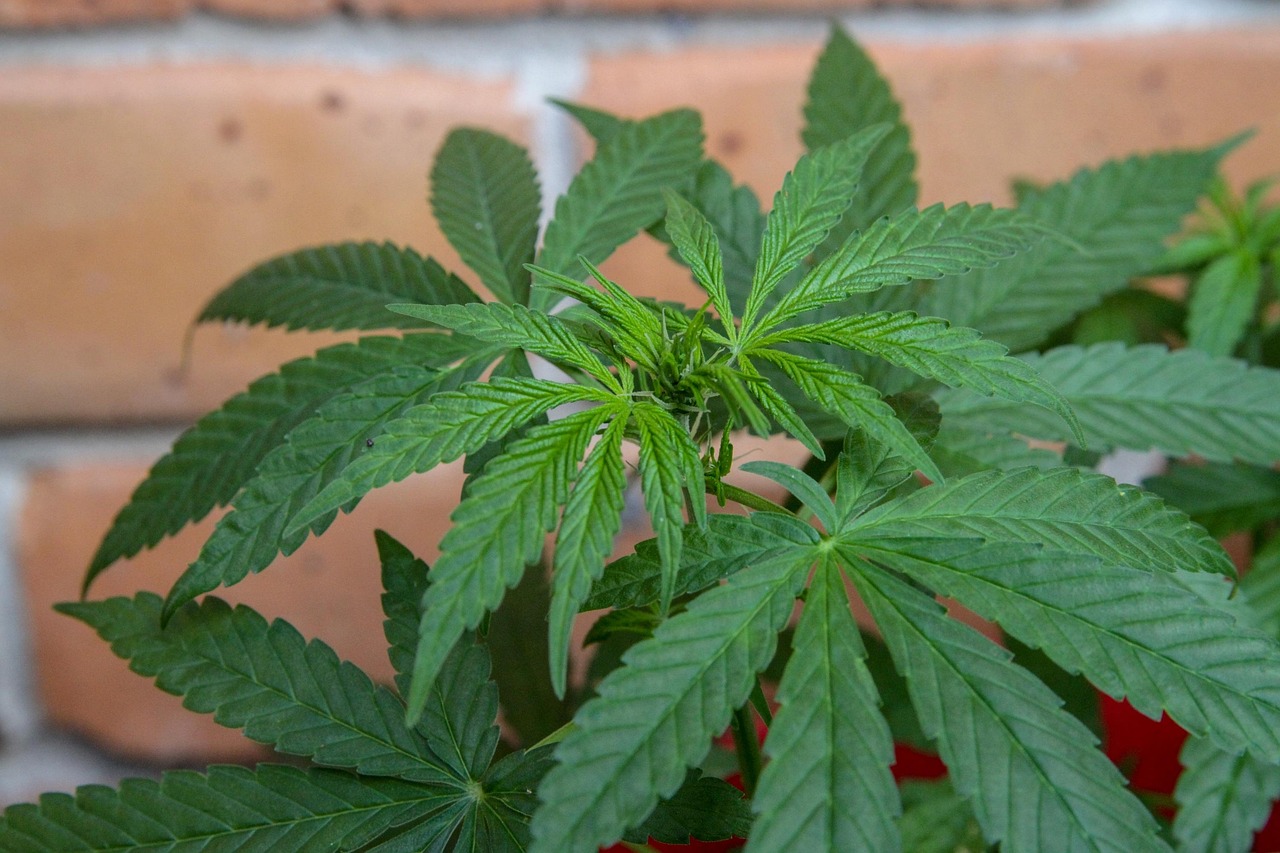
Dallas drug possession laws can be complex and carry significant consequences. If you or someone you know is facing drug possession charges in Dallas, it’s crucial to understand the legal landscape to make informed decisions. Texas, including Dallas, classifies controlled substances into different schedules based on their potential for abuse and dependency. A Dallas drug possession attorney will tell you that possession of even small amounts of Schedule I drugs like heroin or marijuana can result in severe penalties.
The key to navigating these charges lies in understanding the elements required to prove possession. Prosecutors must demonstrate that the defendant had actual or constructive knowledge of the controlled substance, possessed it with intent to distribute, and had control over it. Constructive possession, a common legal concept, means that a person exercises control or authority over a substance even if they aren’t physically holding it. For instance, if drugs are found in a vehicle registered to you and evidence suggests your knowledge of their presence, it could lead to a conviction.
A Dallas drug possession lawyer from Texas Criminal Defense Group Dallas (214) 531-6391 can offer strategic guidance tailored to each case. They will help navigate the nuances of state laws and advocate for the best possible outcome. The penalties for drug possession in Texas vary depending on the substance, quantity, and prior convictions. For instance, a first-time offender found with less than one gram of marijuana may face a fine and community service, while more serious substances or larger quantities can lead to jail time and substantial fines. Engaging a qualified controlled substance lawyer early in the process is crucial for building a robust defense and mitigating potential penalties.
Navigating Charges: Rights & Strategies with a Dallas Drug Possession Attorney
Navigating Drug Possession Charges: Rights & Strategies with a Dallas Drug Possession Attorney
Facing drug possession charges in Dallas can be overwhelming, but understanding your rights and available legal strategies is crucial. A skilled Dallas drug possession lawyer from Texas Criminal Defense Group Dallas, located at 15150 Preston Road Ste 308, Dallas, TX 75248, can provide invaluable guidance tailored to the unique circumstances of your case. These professionals are experts in navigating the complex legal system and defending against these charges.
The first step is recognizing that you have rights. In Texas, as in many jurisdictions, you’re protected by the Fourth Amendment which guards against unreasonable searches and seizures. This means police must have probable cause to stop you, suspect drug activity, and obtain a search warrant before confiscating evidence. If your case hinges on disputed evidence or an illegal search, a possession defense attorney can challenge these aspects to weaken the prosecution’s case. For instance, if officers failed to obtain a warrant or conducted an unlawful search of your person or vehicle, your lawyer can move to suppress this evidence under the exclusionary rule.
Beyond challenging the admissibility of evidence, a drug crime attorney can develop various defense strategies. These may include arguing that you were in possession of the drugs for personal use rather than distribution, disputing the quantity or type of drugs found, or presenting an alternative explanation for your actions. For example, if you were found with a small amount of marijuana during a traffic stop and had no intent to sell, your attorney could argue for a reduced charge or even dismissal based on these mitigating factors. Effective representation involves thorough investigation, expert testimony, and passionate advocacy to ensure the best possible outcome in court.
Building a Defense: Potential Outcomes & Resolutions for Dallas Drug Possession Cases
Facing drug possession charges in Dallas can feel overwhelming, but building a robust defense is crucial to navigating this complex legal landscape. A skilled Dallas drug possession attorney can guide you through this process, ensuring your rights are protected and exploring every possible outcome. The primary focus for any defense strategy should be to challenge the admissibility of evidence and to cast doubt on law enforcement’s actions during the arrest and subsequent investigation.
In Texas, as in many states, the prosecution bears the burden of proving each element of the offense beyond a reasonable doubt. This means that if there is any doubt about your guilt, you could be entitled to acquittal or alternative charges. A well-prepared defense can expose weaknesses in the case against you, such as insufficient probable cause for the arrest, unlawful search and seizure, or lab errors in drug testing. For instance, if a Dallas police officer stopped you without a valid reason or searched your vehicle without a warrant, these actions could lead to evidence being excluded from trial.
The potential outcomes of a Dallas drug possession case vary widely. A favorable resolution could result in the dismissal of charges, reduced penalties, or alternative sentences like diversion programs or community service. However, if convicted, severe consequences may include substantial fines, lengthy prison sentences, and a permanent criminal record. Marijuana possession attorneys often emphasize that the specific legal strategy will depend on the type and quantity of drug involved, where it was found, and your prior criminal history. For example, Texas Criminal Defense Group Dallas (214) 531-6391 has successfully defended clients facing marijuana possession charges by arguing for reduced sentences or diversion programs, depending on the circumstances. Engaging with a dedicated drug defense attorney is essential to understanding the complexities of your case and exploring the best path forward.
Understanding Dallas drug possession laws is crucial, but navigating the charges requires expert guidance from a Dallas drug possession attorney. This article has provided a comprehensive overview of your rights, potential defenses, and outcomes. Key takeaways include the importance of preserving evidence integrity, knowing the specific substance classifications, and exploring alternative sentencing options. If faced with drug possession charges, take immediate action by consulting a qualified Dallas drug possession attorney who can strategize a personalized defense, ensuring your legal rights are protected throughout the process. This knowledge empowers you to make informed decisions, potentially leading to favorable resolutions and minimizing the impact of these charges on your future.
Navigating Dallas Drug Possession Charges:
– Complicated Laws: Dallas drug possession laws vary by substance, quantity, and prior convictions, with potential severe penalties.
– Understanding Possession: Prosecutors must prove actual or constructive knowledge, intent to distribute, and control over controlled substances.
– Strategic Defense: A skilled Dallas drug possession attorney guides you through rights, evidence challenges, and tailored defenses for the best outcome.
– Key Elements: Focus on disputing evidence, illegal searches, personal use vs. distribution, quantity, and alternative explanations to mitigate charges.